
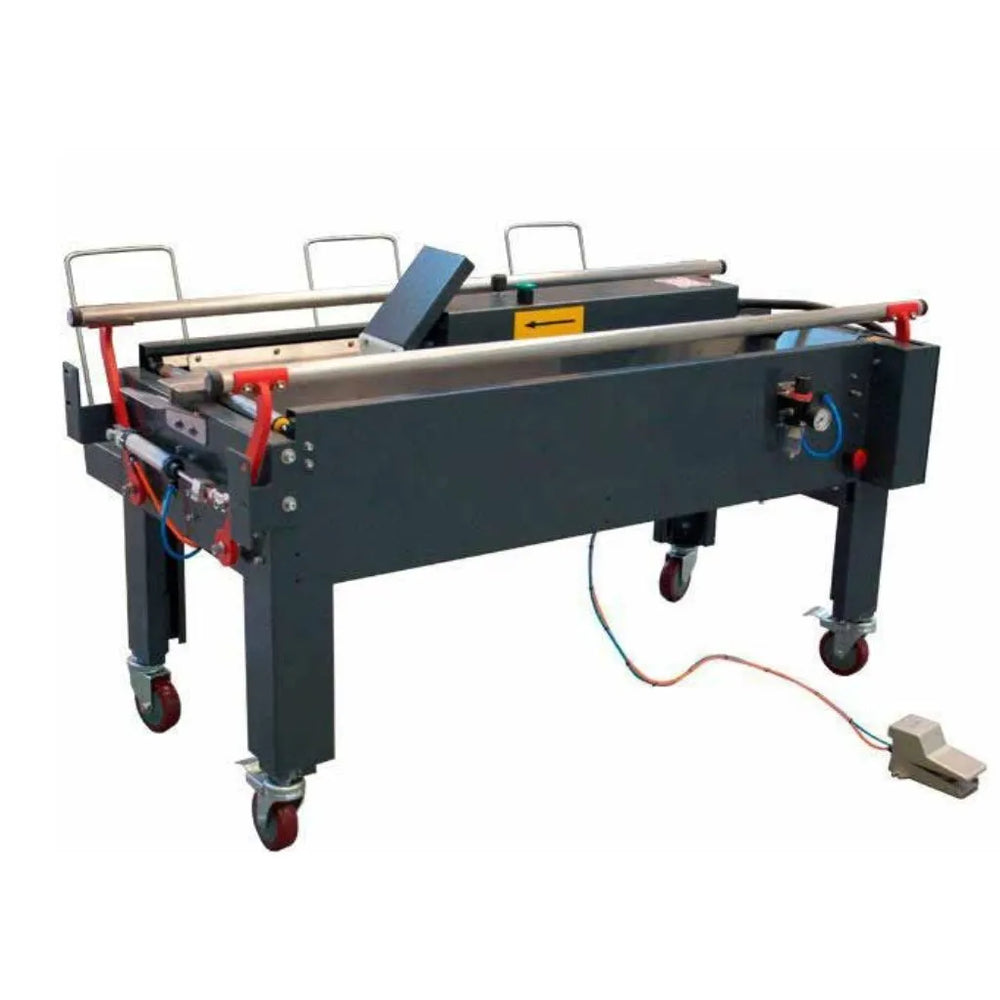
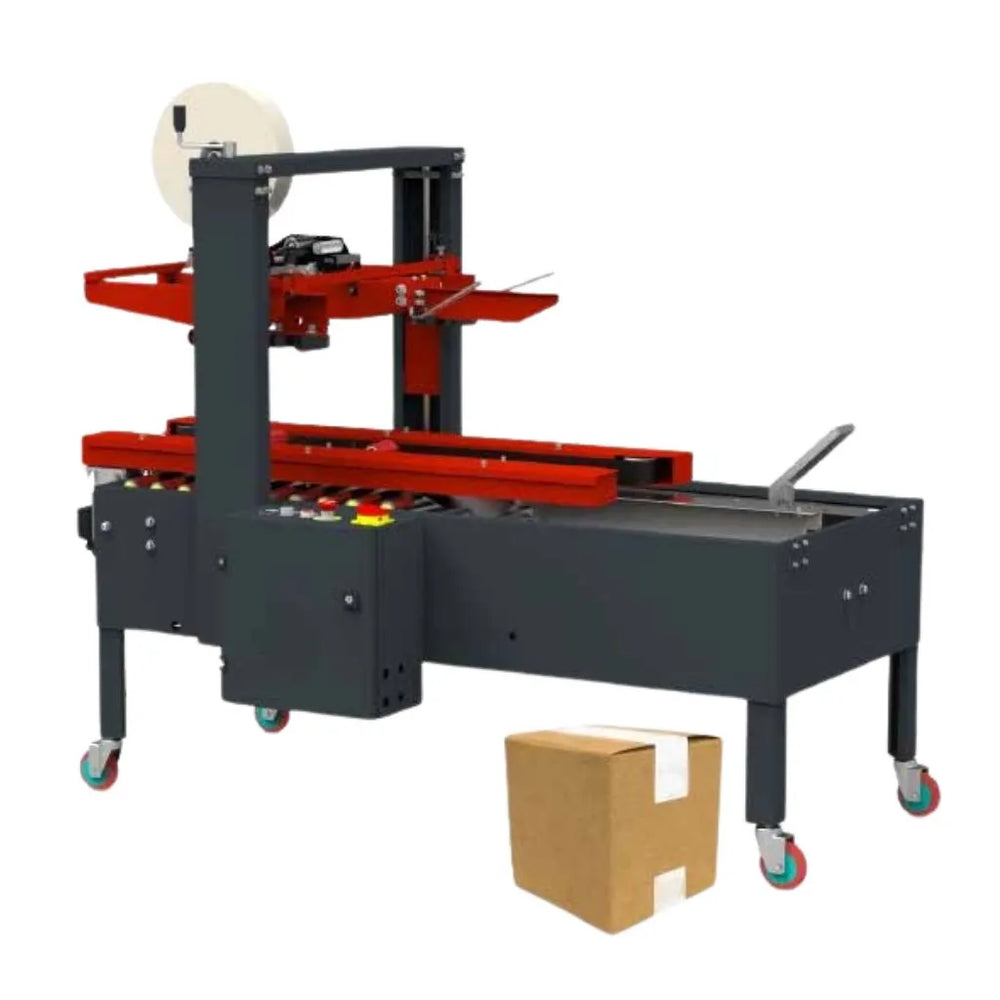
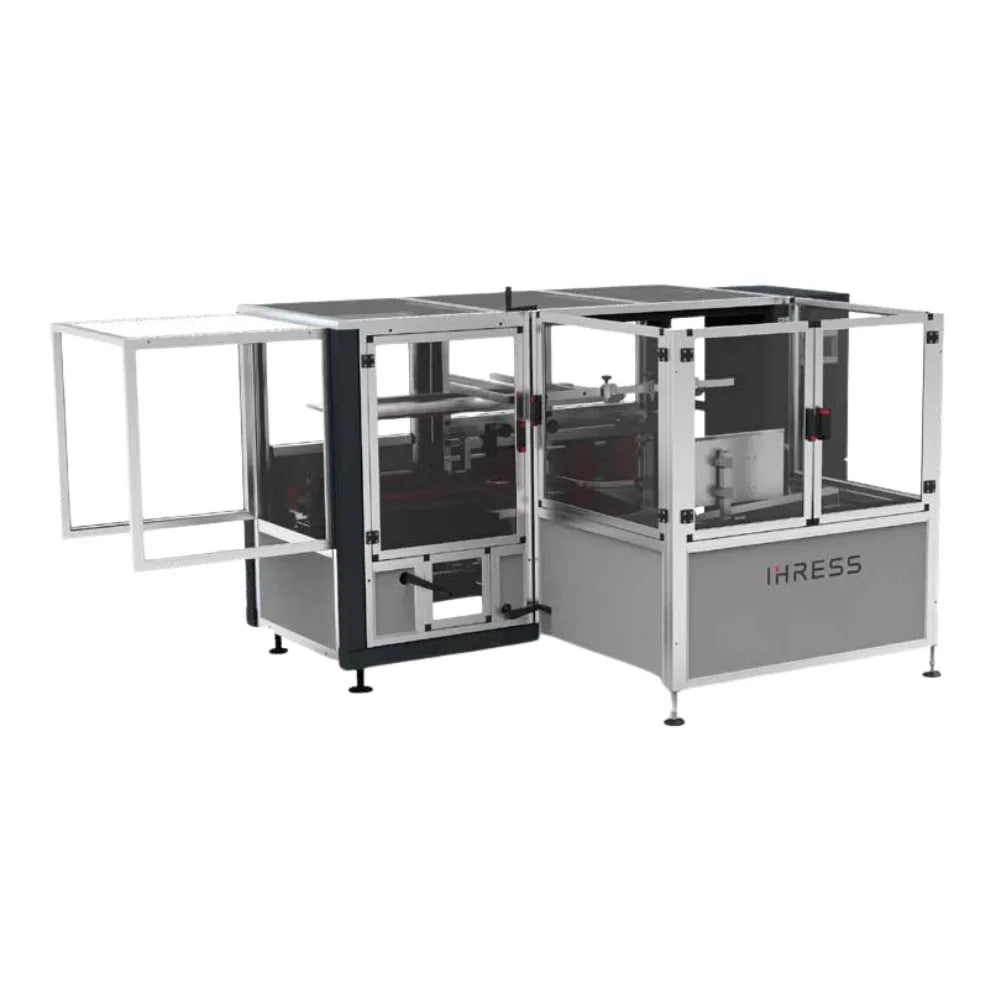
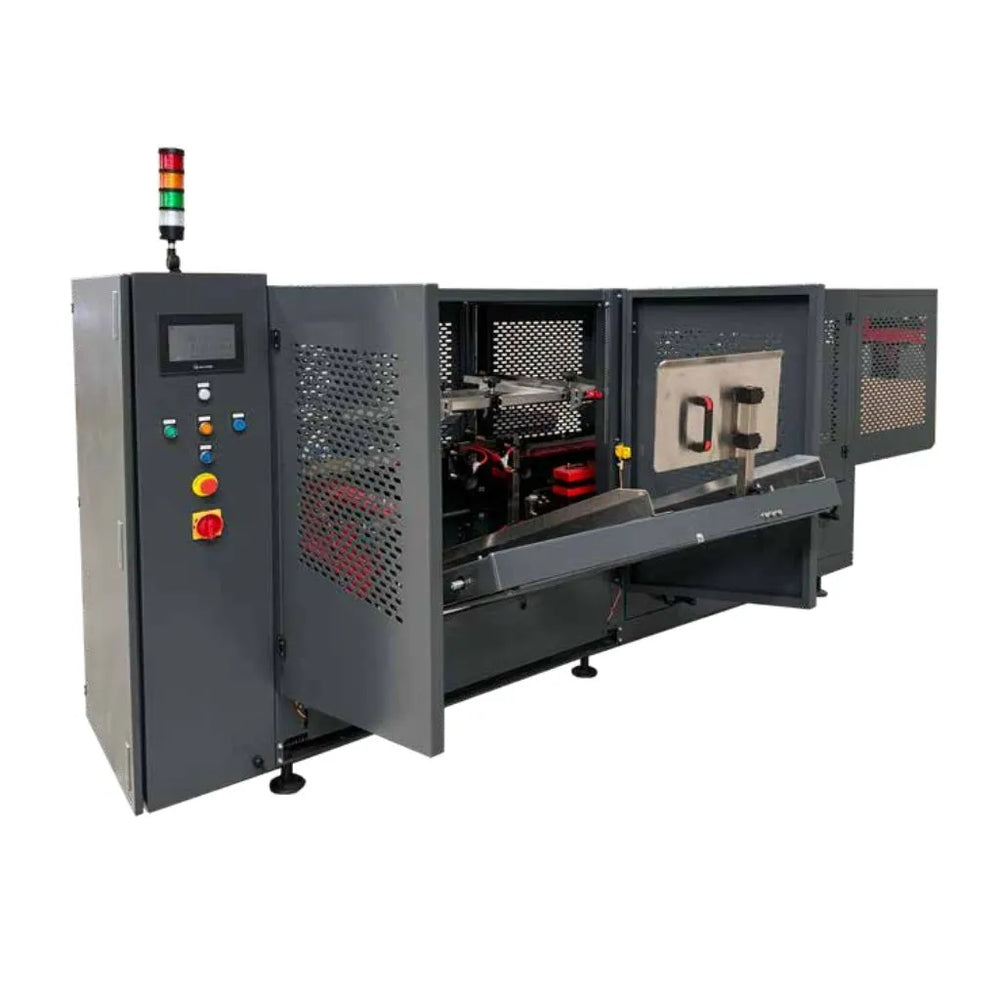
A case forming machine, also called a case erector or box former, is a packaging machine that automatically converts flat corrugated cardboard blanks into fully formed shipping cases. The machine picks a flat case from a magazine, opens it into its square shape, folds the bottom flaps, and seals the case with tape or adhesive so it is ready for product loading on the packaging line.
Case Erectors/Formers automate the process of folding and forming flat-packed cartons into ready-to-fill boxes. Designed for speed and reliability, they streamline packaging lines by reducing manual labor and ensuring consistent box formation for efficient product packing.
Products
-
Sold out
-
Sold out
-
Sold out
-
Sold out
Case Forming Equipment for Automated Packaging Lines
Case forming equipment is an essential part of modern packaging automation. These machines automatically convert flat cardboard blanks into fully formed, bottom-sealed cases that are ready for product loading on the packaging line. By automating the box forming process, manufacturers can significantly increase packaging speed, reduce manual labor, and maintain consistent case quality across high-volume production environments.
At Redemac, we provide reliable case-forming equipment designed to integrate seamlessly with industrial packaging lines across Canada. Our solutions help manufacturers streamline end-of-line packaging operations while maintaining product protection, operational efficiency, and production consistency.
What Is a Case Forming Machine?
A case forming machine, often referred to as a case erector or box former, is a packaging machine that automatically forms corrugated cases from flat cardboard blanks. The machine picks a flat box from a magazine, opens it into its square shape, folds the bottom flaps, and seals them with tape or adhesive before sending the case to the filling station.
This automated process ensures that every case is formed accurately and consistently, eliminating the variability that occurs when boxes are assembled manually. Once erected and sealed, the cases move further down the packaging line where they are filled with products and prepared for shipping or palletizing.
Case forming machines are widely used in industries such as food processing, pharmaceuticals, consumer goods manufacturing, and logistics operations where packaging speed and consistency are critical.
How Case Erectors Improve Packaging Line Efficiency
Automating the case forming process provides several operational advantages for manufacturers and distribution facilities.
Case erectors increase packaging speed by forming hundreds of boxes per hour, far exceeding what manual labor can achieve. Automated machines also ensure that every case is square and properly sealed, improving stacking stability and reducing product damage during transportation.
Another important benefit is labor optimization. Instead of manually forming boxes, operators can focus on higher-value tasks such as monitoring production lines, quality control, or equipment management. Automation also reduces repetitive strain for employees and minimizes packaging errors.
Consistent case formation also helps prevent downstream packaging issues. Properly formed boxes improve pallet stability, reduce jams in packaging equipment, and support efficient case sealing and palletizing operations.
Integration with Automated Packaging Systems
Case forming equipment is typically installed at the beginning of the end-of-line packaging process. Once cases are erected and sealed, they move along the conveyor system where products are inserted manually or automatically.
Modern case erectors are designed to integrate easily with a variety of packaging machines, including:
- Case packers
- Carton sealing machines
- Labeling systems
- Palletizers and pallet wrapping systems
By integrating case forming equipment into the packaging line, manufacturers can create a fully automated workflow that improves throughput while maintaining consistent packaging quality.
Many systems also include user-friendly interfaces and quick changeover features that allow operators to switch between different case sizes or product formats with minimal downtime.
Types of Case Forming Equipment
Manufacturers can choose from different types of case forming machines depending on production volume, packaging requirements, and available floor space.
Fully automatic case erectors are designed for high-speed production environments where cases must be formed continuously with minimal operator involvement. These machines automatically pick, erect, and seal cases before transferring them to the packaging line.
Semi-automatic case formers require an operator to load or position cases before the machine folds and seals them. These machines are typically used in lower-volume operations or facilities where flexibility is required.
Some advanced case forming systems can also handle multiple box sizes and formats, allowing manufacturers to adapt quickly to changing packaging requirements or product variations.
Industries That Use Case Forming Equipment
Case forming equipment is widely used across many industrial sectors where efficient packaging and shipping operations are essential.
Food and beverage manufacturers rely on case erectors to prepare boxes for packaging products such as bottled beverages, packaged foods, and frozen goods. Pharmaceutical manufacturers use case-forming machines to prepare cartons for medical products, ensuring consistency and product protection throughout the supply chain.
Consumer goods manufacturers also use case-forming equipment for packaging products ranging from household chemicals to personal care products. In logistics and distribution environments, box-forming machines support high-volume order fulfillment operations by automating case preparation before product loading.
Across these industries, case forming equipment helps manufacturers maintain packaging efficiency while supporting consistent product protection and shipping stability.
Choosing the Right Case Forming Equipment
Selecting the right case forming equipment depends on several operational factors, including production speed, case sizes, packaging materials, and the level of automation required.
Manufacturers should consider machine throughput, flexibility for different box formats, integration with existing packaging lines, and overall equipment reliability. The right system should be able to handle production demands while minimizing downtime and maintenance requirements.
Modern case erectors are designed with intuitive controls, quick changeover features, and durable construction to support continuous production in demanding industrial environments.
Why Choose Redemac for Case Forming Equipment?
Redemac supports manufacturers across Canada with advanced packaging automation solutions designed to improve production efficiency and packaging reliability.
Our case forming equipment solutions are selected to integrate seamlessly with existing packaging systems while supporting high-volume production environments. From equipment selection to installation and ongoing technical support, our team works closely with manufacturers to ensure that packaging lines operate efficiently and reliably.
With expertise in industrial packaging automation, Redemac helps companies optimize end-of-line operations while maintaining the highest standards of product protection and packaging performance.
Frequently Asked Questions
What is a case forming machine?
What is the difference between a case erector and a box former?
The terms case erector, box former, and case forming machine are often used interchangeably in industrial packaging. All refer to equipment that automatically forms corrugated cases from flat blanks. Some machines only erect the case, while others also seal the bottom flaps before the case moves to the packing station
How does a case forming machine improve packaging line efficiency?
Case forming machines improve packaging efficiency by automating the box forming process. Instead of manually assembling corrugated cases, automated case erectors can form and seal hundreds of boxes per hour. This increases packaging speed, reduces labor requirements, and ensures consistent case quality across the production line.
What industries use case forming equipment?
Case forming equipment is widely used in industries that require high-volume packaging operations. Common industries include food and beverage manufacturing, pharmaceuticals, consumer goods production, and logistics distribution centers. Automated case erectors help these industries maintain consistent packaging quality while increasing throughput.
What should manufacturers consider when choosing a case forming machine?
When selecting case forming equipment, manufacturers should evaluate several factors including machine speed, case size range, changeover time, integration with existing packaging lines, and long-term reliability. Choosing equipment that matches production requirements helps ensure efficient packaging operations and minimal downtime.
Can case forming machines integrate with automated packaging systems?
Yes. Modern case forming machines are designed to integrate with conveyors, case packers, labeling systems, and palletizing equipment. This allows manufacturers to create a fully automated end-of-line packaging system that improves efficiency and supports consistent production output.
What is the difference between manual case forming and automatic case erectors?
Manual case forming requires operators to assemble boxes by hand, which can slow down packaging operations and create inconsistent case shapes. Automatic case erectors eliminate this manual step by forming and sealing cases automatically, allowing packaging lines to operate faster and more efficiently.