
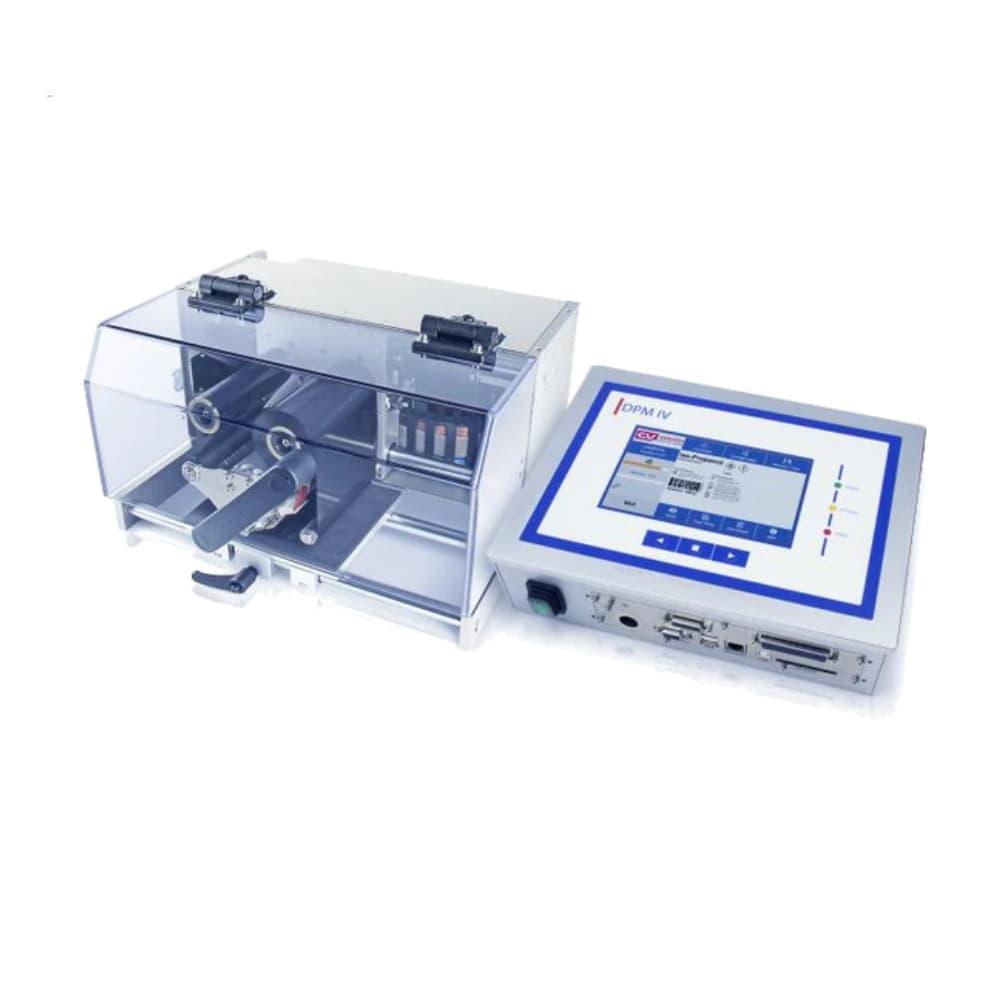
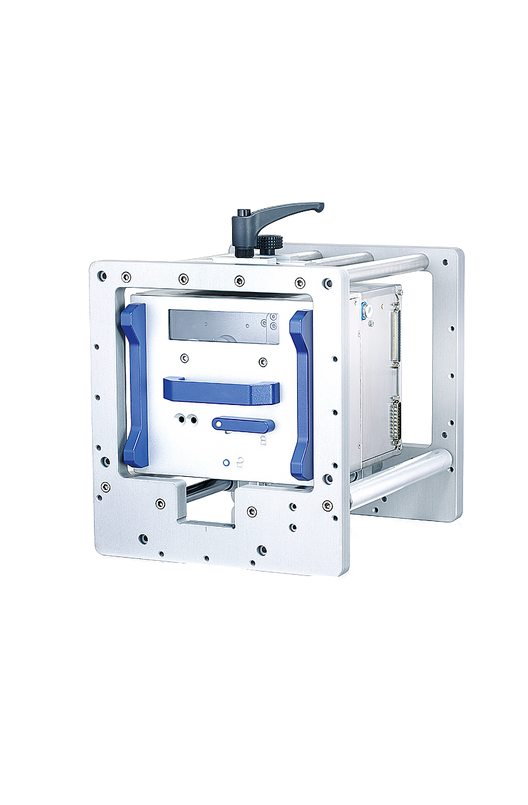
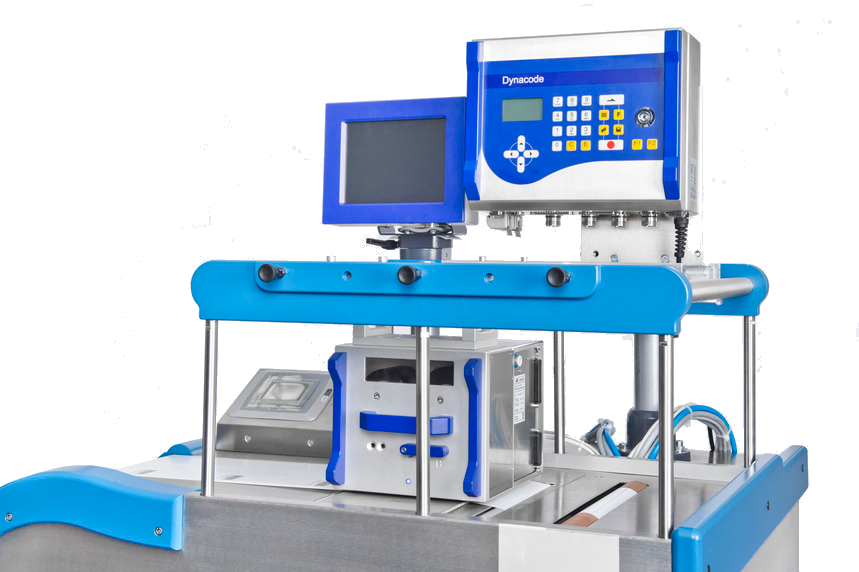
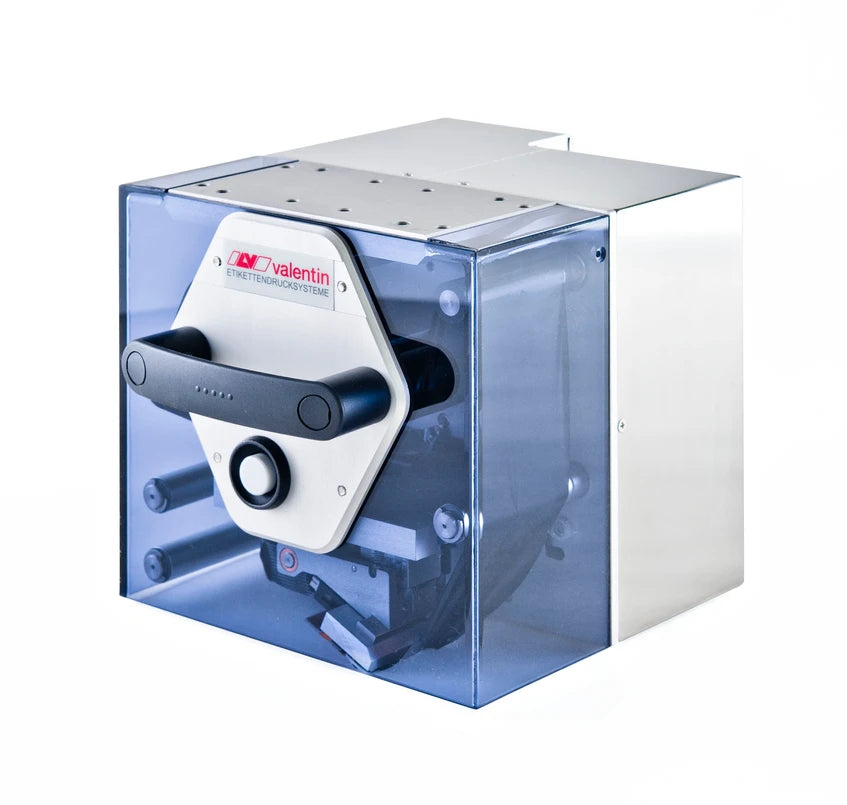
TTO stands for Thermal Transfer Overprinter, a technology used for printing variable data on flexible packaging.
Thermal Transfer Overprinters (TTO) provide sharp, durable printing of barcodes, text, and graphics directly onto flexible packaging films. Ideal for high-resolution coding on labels and wrappers, TTO systems offer fast, clean, and reliable print quality with minimal maintenance for continuous production.
Products
-
-
-
Sold out
-
Thermal Transfer Overprinters (TTO Printers)
A Thermal Transfer Overprinter (TTO) is a high-performance digital printing solution widely used in modern packaging environments to print variable data such as batch numbers, expiry dates, barcodes, QR codes, and logos directly onto flexible packaging materials. Unlike traditional coding systems, TTO printers use a thermal printhead and ribbon-based technology to produce high-resolution, smudge-free, and consistent prints at high production speeds.
TTO technology has become the preferred choice in industries such as food, pharmaceuticals, cosmetics, and FMCG because of its precision, reliability, and ability to integrate seamlessly into automated packaging lines. Whether used for compliance, branding, or traceability, TTO printers provide a clean and efficient solution for industrial coding and marking.
What is a TTO Printer?
A TTO printer (Thermal Transfer Overprinter) is an industrial coding device designed to print variable information directly onto packaging films using heat and a thermal transfer ribbon. It is specifically engineered for flexible packaging applications, where traditional ink-based systems may struggle to deliver consistent print quality.
The printer works by applying controlled heat through a thermal printhead, which transfers ink from a ribbon onto the packaging substrate. This process ensures sharp, durable, and high-resolution prints, making it ideal for applications where readability and compliance are critical.
TTO printers are commonly used for:
- Printing, manufacturing, and expiry dates
- Adding batch and lot numbers
- Printing barcodes and QR codes
- Displaying logos and branding elements
Because of their digital nature, TTO printers allow real-time data printing, which is essential for dynamic production environments.
How Does Thermal Transfer Overprinting Work?
Thermal Transfer Overprinting operates using a precise and controlled mechanism that ensures consistent output across high-speed production lines.
The process begins with a thermal printhead, which contains multiple heating elements. When a print command is given, these elements selectively heat up based on the design or data to be printed.
A thermal transfer ribbon, coated with ink, passes between the printhead and the packaging material. The heat from the printhead melts the ink on the ribbon, transferring it onto the substrate.
This process can be broken down into the following steps:
- The printer receives digital data from the system (e.g., date, barcode, or text).
- The thermal printhead heats specific points according to the design.
- The heated ribbon releases ink onto the packaging surface.
- The printed output is instantly dry, smudge-resistant, and highly durable.
This method ensures clean, precise, and maintenance-friendly printing, making TTO one of the most efficient coding technologies available today.
Applications of TTO Printing
TTO printers are widely adopted across industries that rely on flexible packaging and require accurate, high-quality coding.
In the food and beverage industry, TTO is used to print expiry dates, batch numbers, and nutritional codes on snack packaging, frozen foods, and ready-to-eat products. The high print clarity ensures compliance with labeling regulations.
In the pharmaceutical industry, TTO printers play a critical role in ensuring traceability by printing lot numbers, manufacturing dates, and regulatory codes on packaging materials such as sachets and pouches.
The cosmetics and personal care industry uses TTO for branding and coding on flexible tubes, sachets, and wraps, where aesthetics and print quality are equally important.
Additionally, FMCG and industrial sectors rely on TTO printing machines for high-speed production lines where consistent and reliable marking is essential.
TTO vs Other Coding Technologies
When compared to other coding technologies such as Continuous Inkjet (CIJ) and Laser Coding, TTO printers offer a distinct set of advantages, particularly for flexible packaging.
TTO printers provide superior print resolution (typically 300 dpi or higher), making them ideal for detailed graphics and barcodes. In contrast, CIJ printers are better suited for porous surfaces but often produce lower-resolution prints.
Unlike CIJ systems, which require inks and solvents, TTO printers use ribbons, resulting in a cleaner and more environmentally friendly process with less maintenance.
Laser coding systems offer permanent marking but are often more expensive and limited in terms of substrate compatibility. TTO printers, on the other hand, are highly versatile and cost-effective for flexible films.
Overall, TTO stands out as the best choice for applications requiring high-quality, flexible, and efficient printing.
Benefits of Thermal Transfer Overprinters
Thermal Transfer Overprinters offer several advantages that make them a preferred solution in modern packaging operations.
One of the key benefits is high-resolution printing, which ensures that all codes, text, and graphics are clear and readable. This is especially important for compliance and brand presentation.
Another major advantage is the clean printing process, as TTO does not involve liquid inks or solvents. This reduces mess, minimizes downtime, and lowers maintenance requirements.
TTO printers are also known for their reliability and consistency, delivering uniform print quality even at high speeds. This makes them suitable for demanding production environments.
Additionally, the ability to print real-time variable data allows manufacturers to adapt quickly to changing production needs without interrupting the workflow.
Types of TTO Printers
TTO printers are generally categorized into two main types based on their mode of operation.
Intermittent TTO printers are used in packaging lines where the material stops intermittently during the printing process. These are ideal for applications such as vertical form-fill-seal machines.
Continuous TTO printers, on the other hand, are designed for high-speed production lines where the packaging material moves continuously. These printers ensure seamless printing without interrupting the production flow.
Choosing the right type depends on factors such as production speed, packaging format, and integration requirements.
How to Choose the Right TTO Printer
Selecting the right TTO printer requires careful consideration of several factors to ensure optimal performance and efficiency.
One of the most important aspects is production speed, as the printer must match the speed of the packaging line without compromising print quality.
The print area size is another critical factor, especially for applications that require larger codes or graphics.
Compatibility with existing packaging machinery is also essential, as seamless integration reduces installation time and operational complexity.
Additionally, businesses should consider ribbon compatibility, maintenance requirements, and long-term operating costs before making a decision.
By evaluating these factors, manufacturers can choose a TTO printing machine that aligns with their operational needs and production goals.
Frequently Asked Questions
What does TTO stand for?
What is a TTO printer used for?
TTO printers are used to print batch codes, expiry dates, barcodes, QR codes, and other variable information on packaging materials.
Is TTO better than inkjet printing?
For flexible packaging, TTO is generally superior due to its higher print quality, cleaner operation, and lower maintenance requirements.
What materials can TTO printers print on?
TTO printers are designed for flexible materials such as plastic films, foils, laminates, and labels.
Which industries use TTO printing machines?
Industries such as food, pharmaceuticals, cosmetics, and FMCG widely use TTO printers for coding and marking applications.