
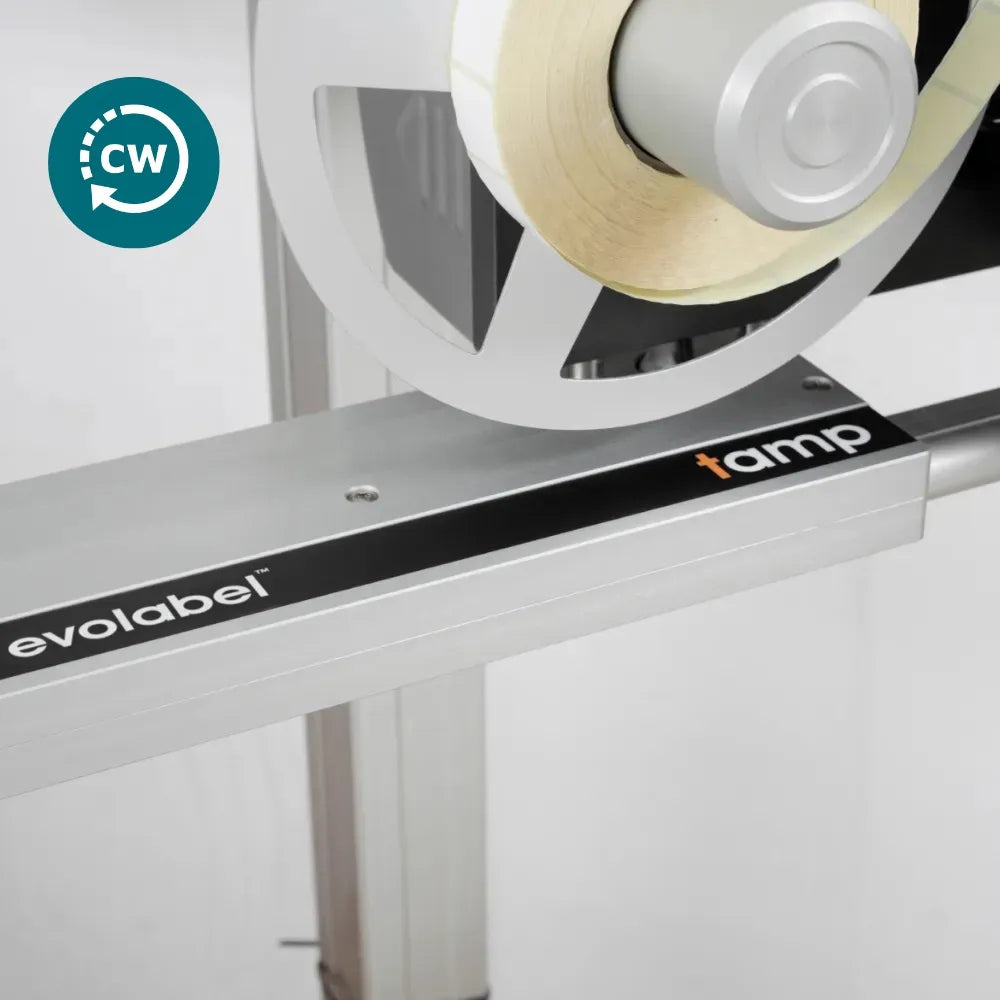
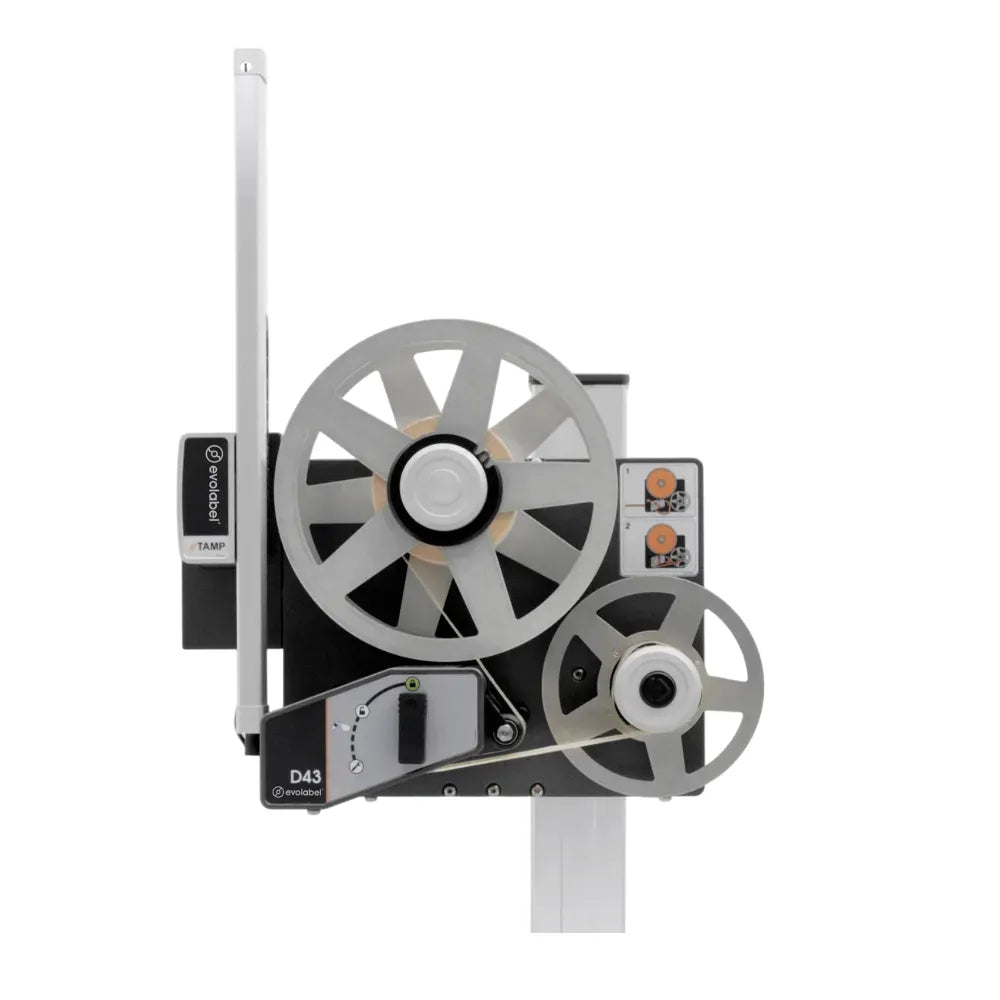
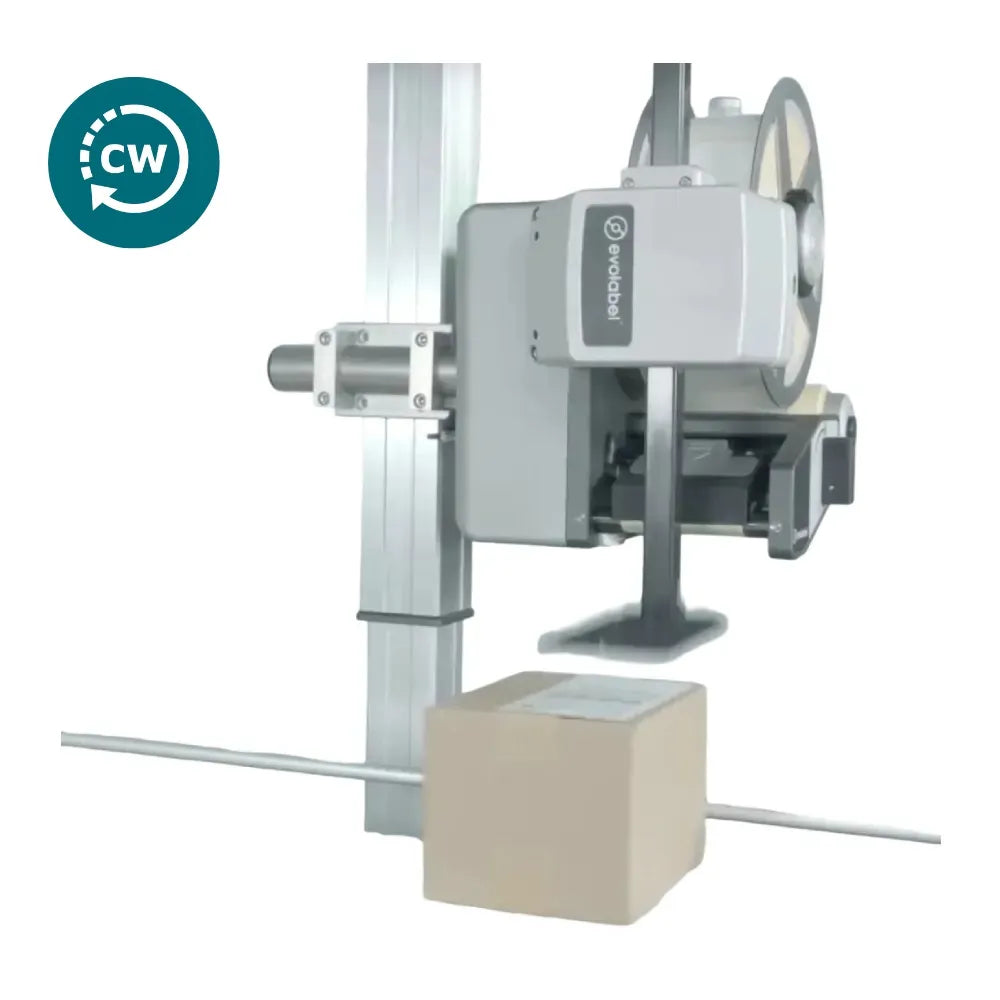
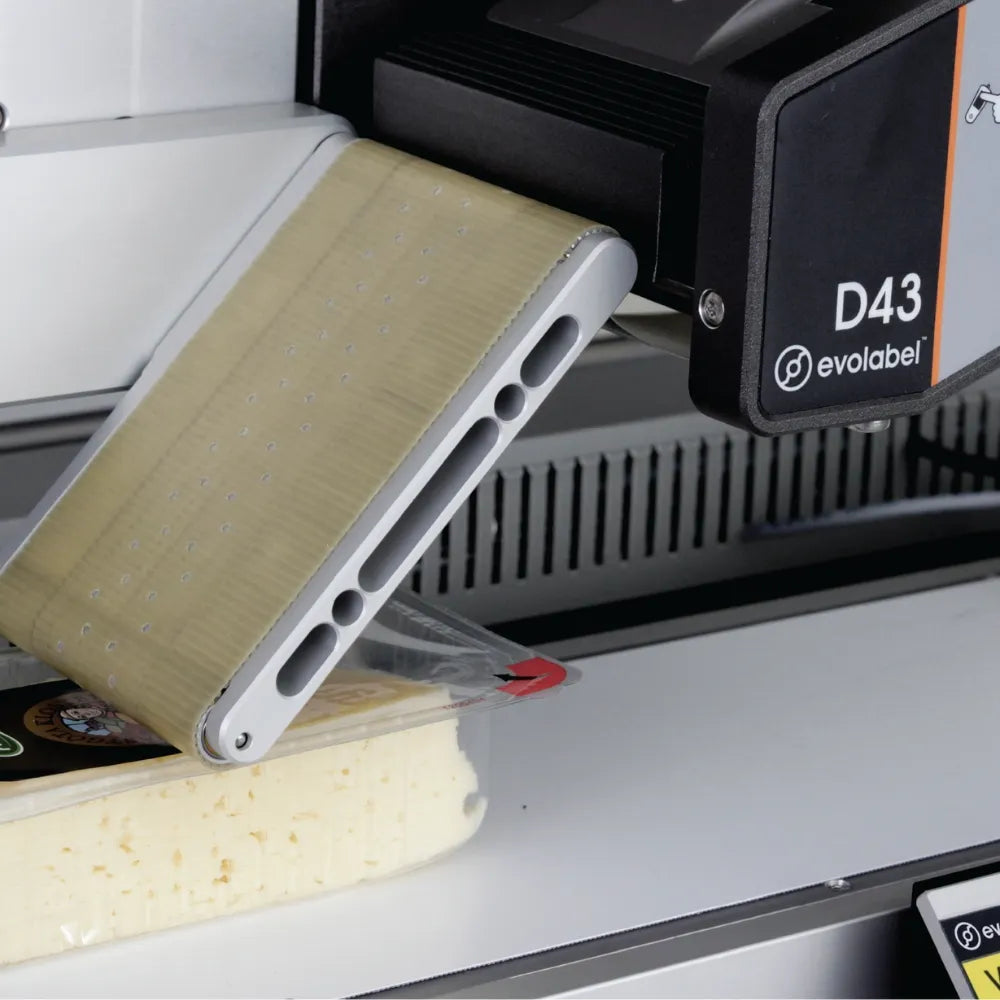
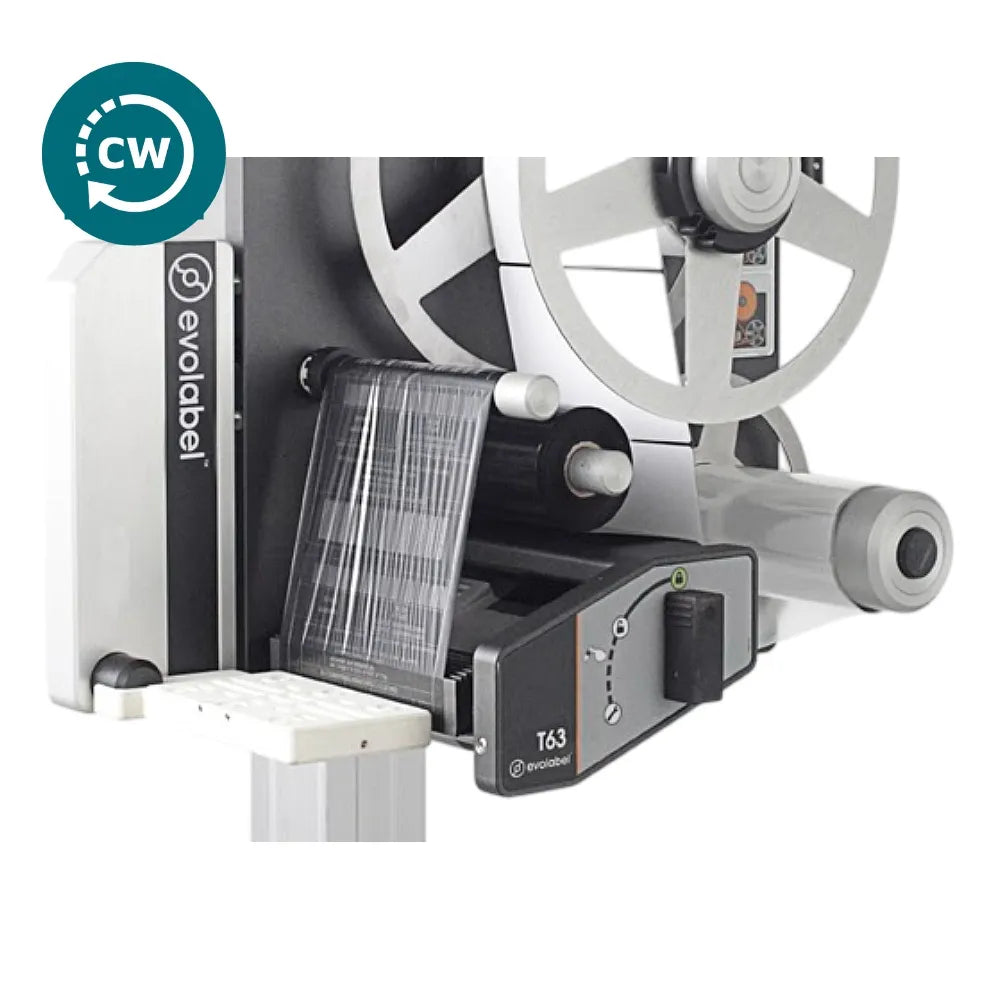
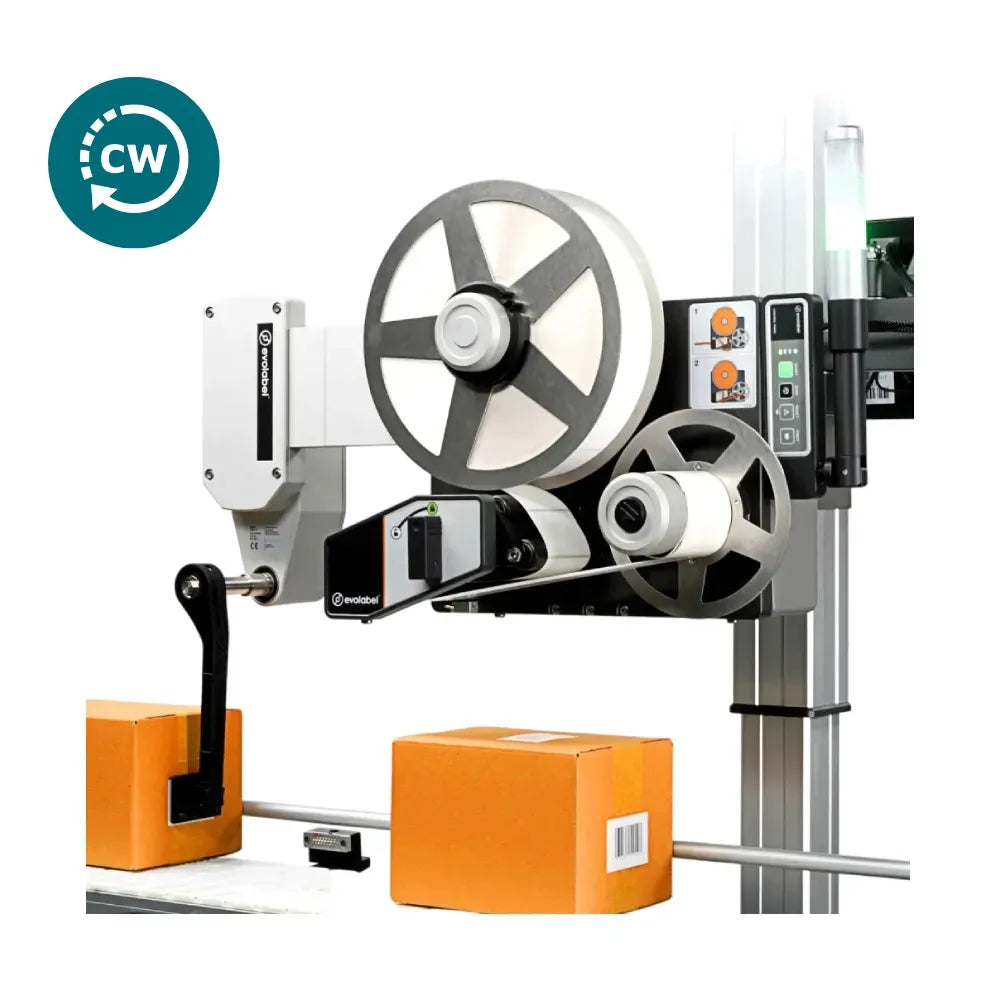
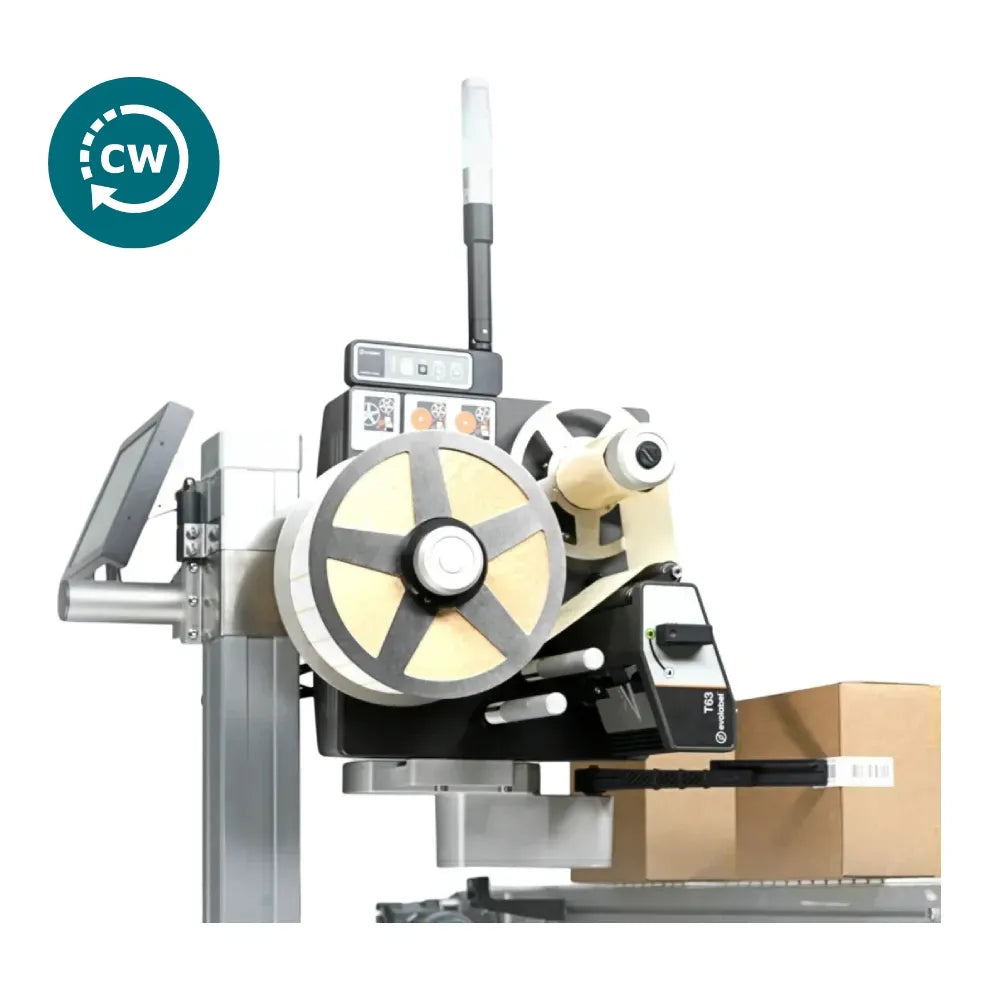
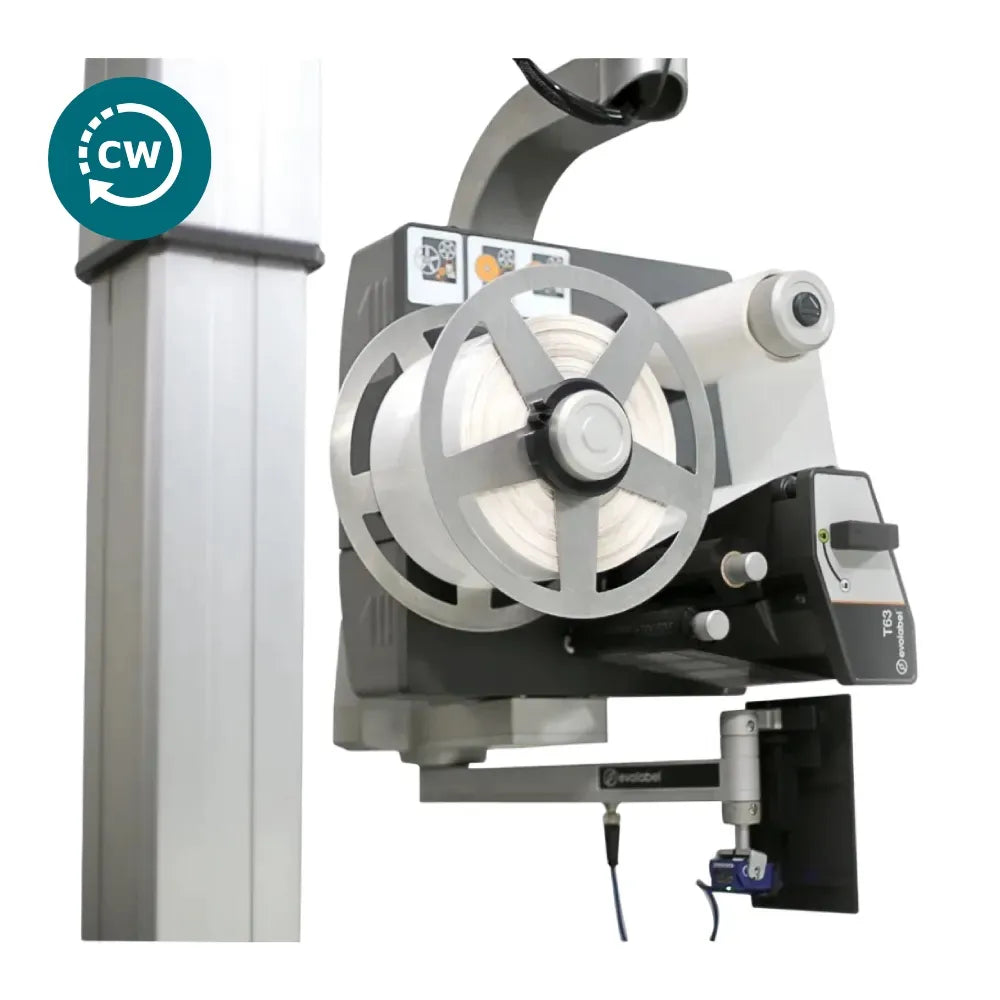
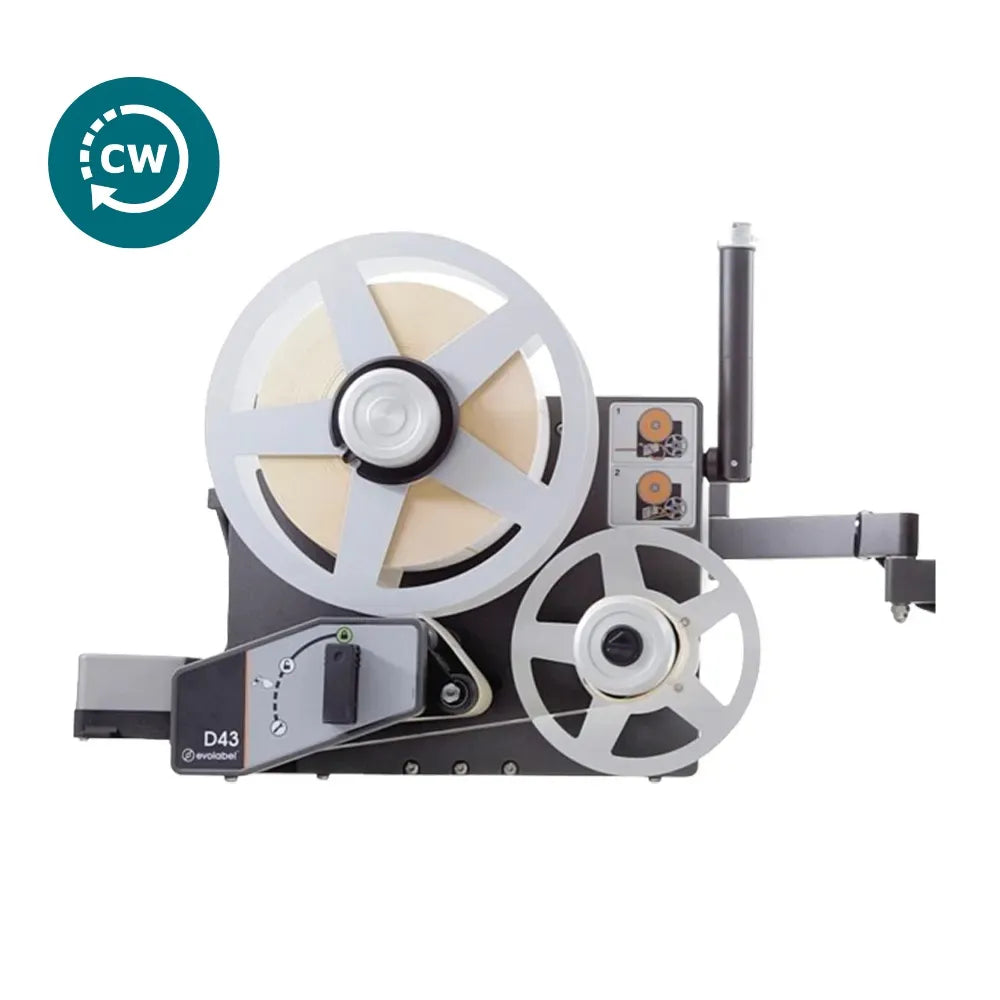
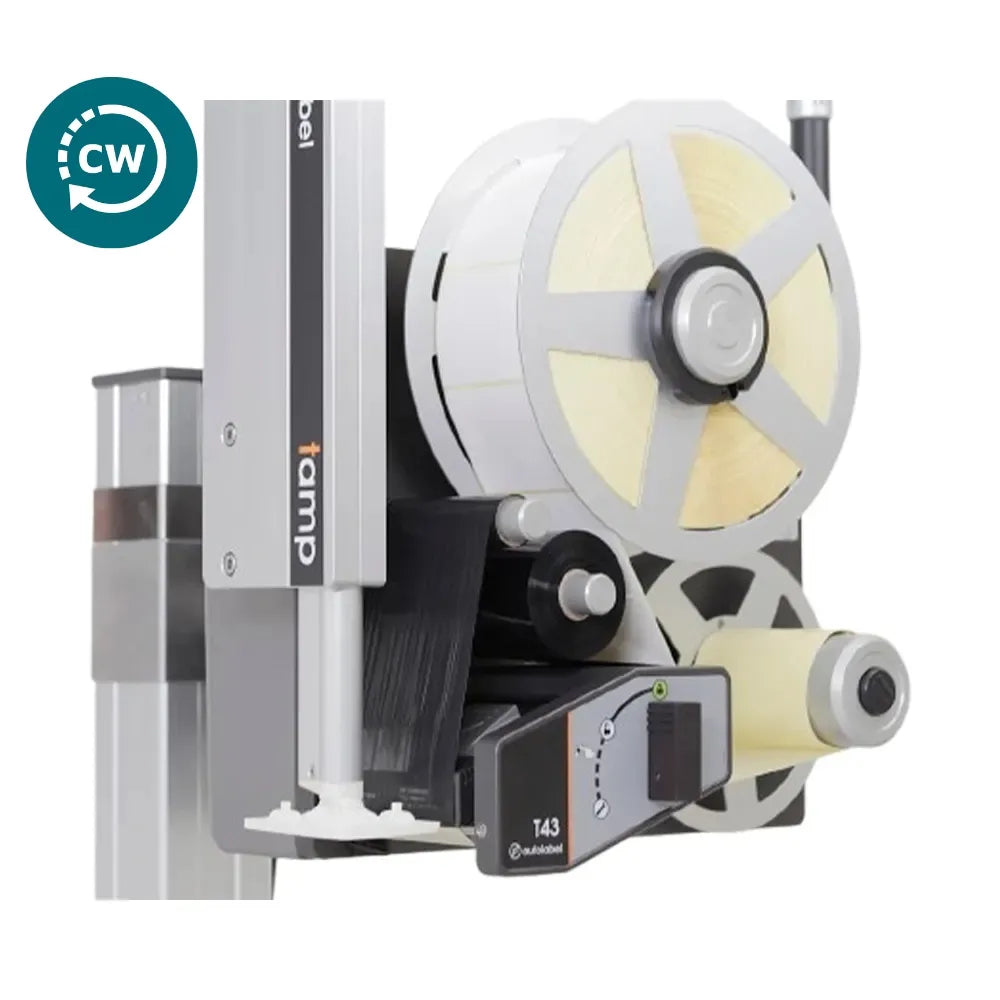
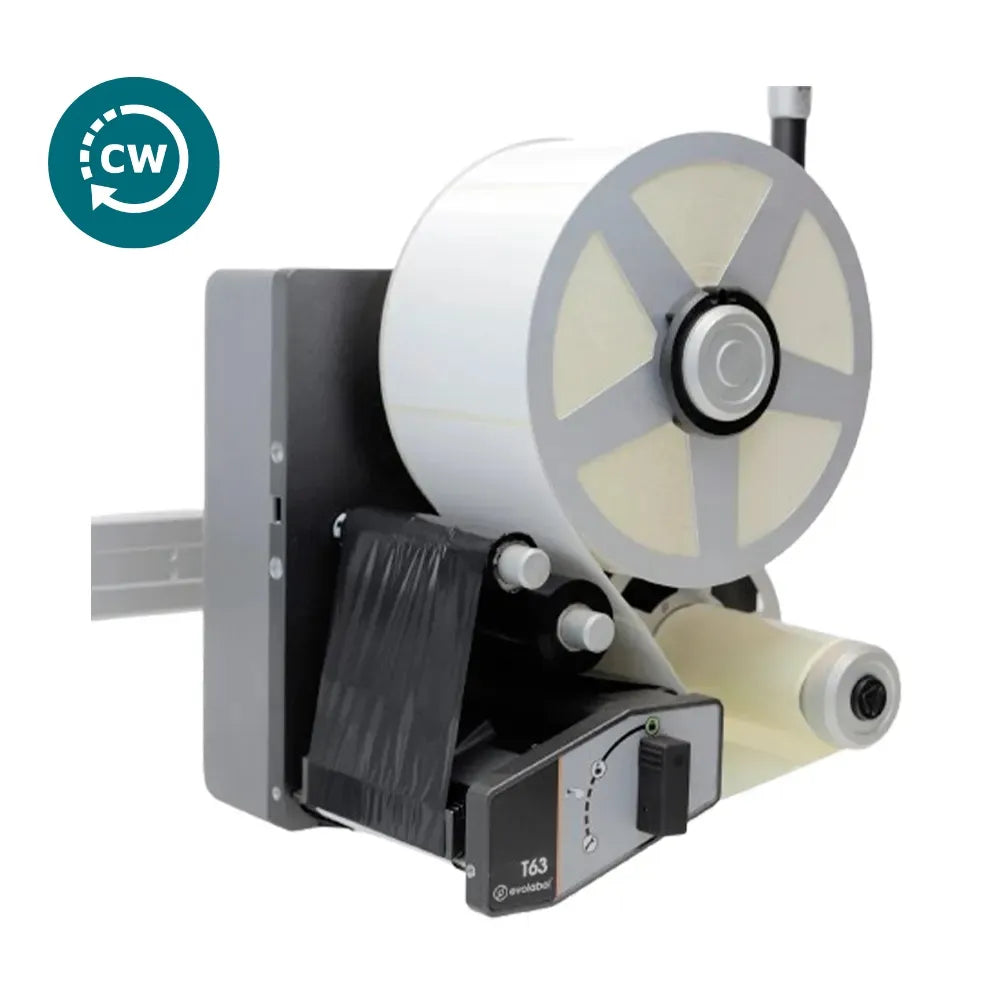
A print and apply labeling system is an automated solution that prints labels using a thermal transfer printer and applies them directly onto products, cartons, or pallets during production or packaging.
Print & apply labeling systems, also known as print-n-apply machines, are essential for modern industrial automation where accuracy, speed, and compliance are critical. These systems combine high-performance thermal transfer printers with automated applicators to print and apply labels directly onto products, cartons, and pallets in real time. Designed for high-volume environments, print and apply systems eliminate manual errors, ensure barcode accuracy, and seamlessly integrate with warehouse and production workflows.
Products
-
Sold out
-
Sold out
-
Sold out
-
-
-
Sold out
-
Sold out
-
Sold out
-
-
Sold out
-
Sold out
Print-n-Apply Machines for Industrial Automation
A print-n-apply system is an automated labeling solution that prints variable data labels and applies them directly onto packaging or pallets without human intervention. Unlike manual labeling processes, these systems operate in sync with production lines, enabling businesses to maintain consistent labeling accuracy across high-speed operations. Whether used for pallet labeling, shipping labels, or compliance markings, print & apply systems play a crucial role in improving traceability, reducing labor dependency, and ensuring that every unit is correctly identified throughout the supply chain.
In industries such as logistics, manufacturing, food processing, and pharmaceuticals, the demand for reliable and scalable labeling solutions continues to grow. Print and apply systems address this need by delivering precise label placement and durable printing using advanced thermal transfer technology.
How Print & Apply Systems Work?
A print and apply labeling system operates as a fully integrated part of your production or packaging line. The process begins when data is received from an ERP or warehouse management system, which generates the required label information such as product details, batch numbers, and barcodes. This data is instantly sent to a thermal transfer printer, which produces a high-resolution label designed for durability and readability.
Once printed, the label is automatically applied to the product, carton, or pallet using a precision applicator. Depending on the system configuration, the label may be applied using tamp, blow, or wipe methods to ensure accurate placement. Many advanced systems also include verification scanners that confirm barcode readability immediately after application, reducing the risk of errors and ensuring compliance with industry standards.
Types of Print-n-Apply Labeling Systems
Different applications require different types of print & apply systems, and selecting the right configuration depends on your production environment. Tamp apply systems are commonly used for flat surfaces where precision is critical, while blow apply systems are ideal for high-speed lines where contactless application is required. Corner wrap systems are designed for labeling shipping cartons, ensuring visibility from multiple angles, and front or side apply systems offer flexibility for varied packaging formats.
Each type of system is engineered to handle specific operational demands, making it important to align your selection with your labeling speed, surface type, and placement requirements.
Benefits of Print & Apply Labeling Systems
Print and apply labeling systems provide significant advantages over traditional manual labeling methods, particularly in high-volume industrial environments. By automating the labeling process, these systems eliminate inconsistencies caused by human error and ensure that every label is applied with precision. This leads to improved barcode scan rates, which are essential for seamless warehouse operations and supply chain visibility.
In addition to accuracy, print-n-apply machines significantly increase operational efficiency by supporting high-speed labeling, often exceeding 100 labels per minute depending on the configuration. They also help businesses maintain compliance with global labeling standards, including GS1 requirements, while reducing labor costs and minimizing downtime. The result is a more reliable, scalable, and cost-effective labeling process.
Why Thermal Transfer Printers Are Used in Print & Apply Systems?
Thermal transfer printers are a core component of print and apply labeling systems because they produce high-quality, durable labels that can withstand harsh industrial environments. Unlike other printing methods, thermal transfer technology uses heat to transfer ink from a ribbon onto the label surface, resulting in sharp, long-lasting prints that resist smudging, fading, and abrasion.
This makes thermal transfer printers ideal for applications where labels must remain readable throughout storage, transportation, and handling. Whether used for pallet labels, shipping labels, or compliance markings, they ensure consistent barcode clarity, which is critical for automated scanning systems and regulatory compliance.
Applications of Print & Apply Labeling Systems
Print and apply systems are widely used across industries where accurate and efficient labeling is essential. In logistics and warehousing, they are commonly deployed for pallet labeling to ensure smooth tracking and inventory management. In manufacturing environments, these systems are integrated into production lines to label products and packaging in real time, reducing bottlenecks and improving throughput.
The food and beverage industry relies on print-n-apply machines for compliance labeling, including batch and expiry information, while pharmaceutical companies use them to maintain strict traceability standards. Their versatility makes them suitable for a wide range of applications where precision and reliability are non-negotiable.
How to Choose the Right Print & Apply System?
Choosing the right print and apply labeling system depends on several operational factors, including production speed, application type, and system integration requirements. High-volume environments typically require fully automated systems capable of handling continuous operations, while smaller setups may benefit from more flexible configurations.
It is also important to consider how the system will integrate with existing ERP or warehouse management systems, as seamless data flow is critical for accurate labeling. Environmental conditions such as dust, humidity, or temperature variations should also be evaluated, as they can impact label durability and printer performance. By carefully assessing these factors, businesses can select a solution that aligns with their operational needs and long-term scalability.
Print and apply labelling systems are often used alongside other automation solutions such as pallet labelling systems and pallet handling equipment. Integrating these systems with a pallet wrapping machine or advanced pallet wrappers ensures that labeling and packaging processes are synchronized, improving overall efficiency and maintaining label readability throughout the logistics cycle.
Get the Right Print & Apply Solution for Your Business
Choosing the right print-n-apply system can significantly impact your operational efficiency and accuracy. Our experts can help you identify the best solution based on your production requirements, application type, and integration needs. Contact us today to explore advanced print and apply labeling systems designed for modern industrial environments.
Frequently Asked Questions
What is a print and apply labeling system?
How does a thermal transfer printer work?
A thermal transfer printer uses heat to transfer ink from a ribbon onto a label, producing high-resolution and durable prints that are resistant to wear and environmental conditions.
What industries use print-n-apply systems?
Print and apply systems are widely used in logistics, manufacturing, food and beverage, and pharmaceutical industries where accurate labeling and traceability are essential.
What is the difference between print & apply and inkjet labeling?
Print and apply systems use labels that are printed and applied, while inkjet systems print directly onto surfaces. Print & apply offers higher flexibility and durability for compliance labeling.
How fast are print and apply systems?
Depending on the configuration, print and apply systems can label up to 100–120 items per minute, making them suitable for high-speed industrial environments.