
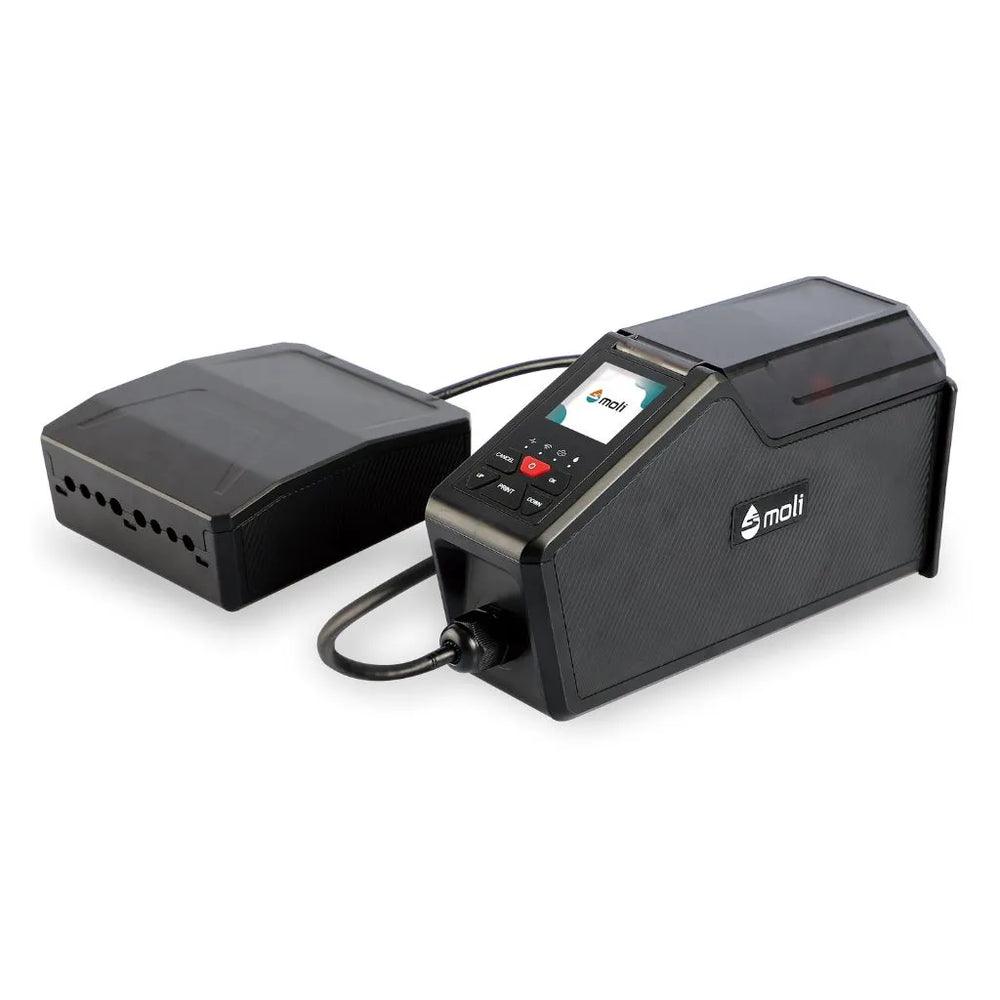
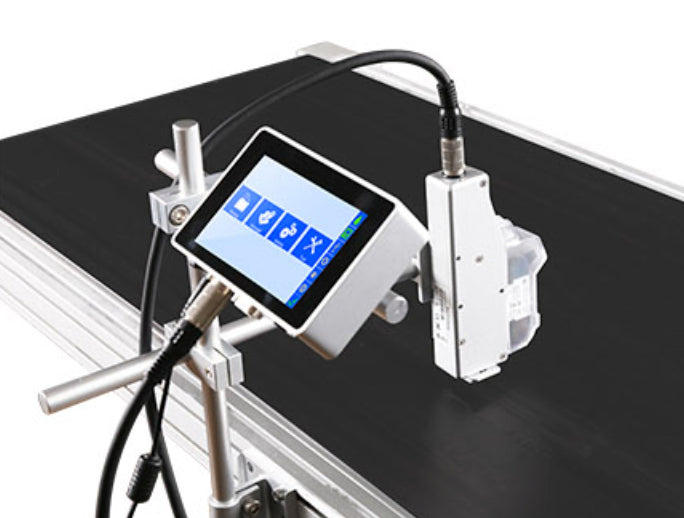
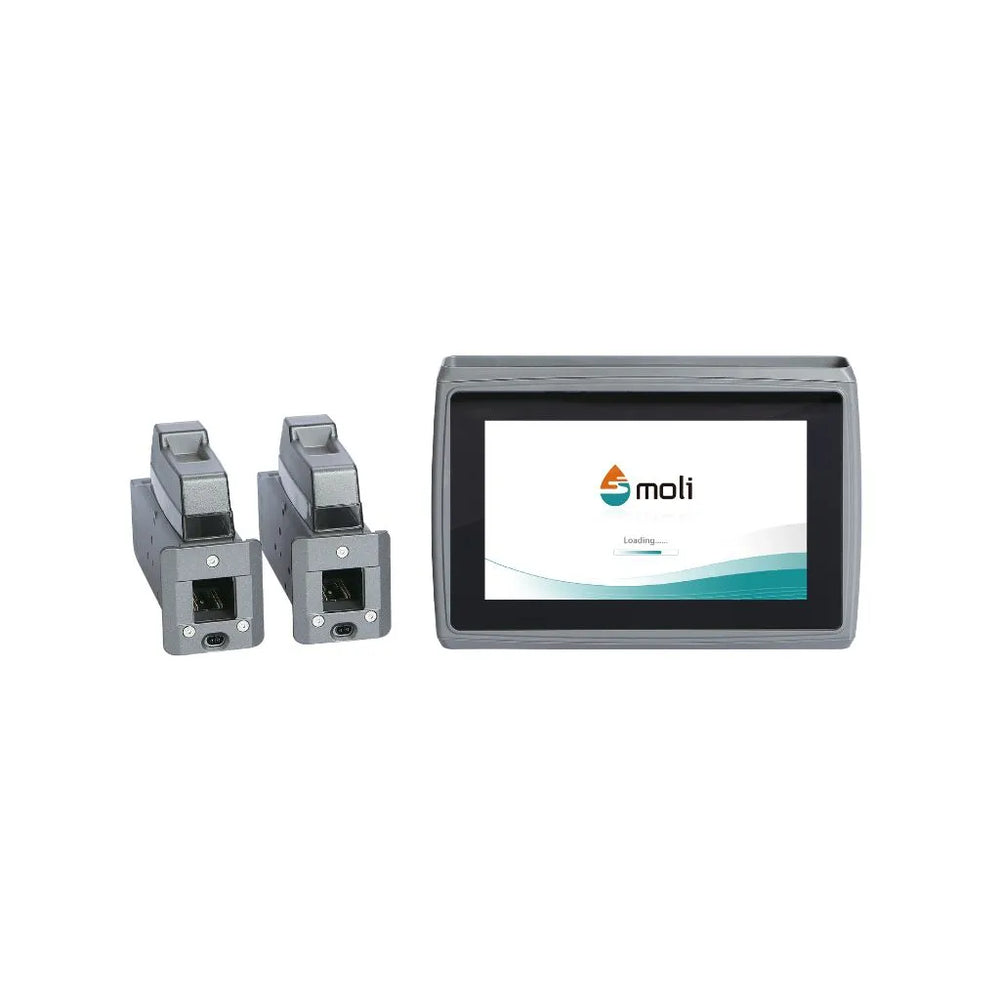
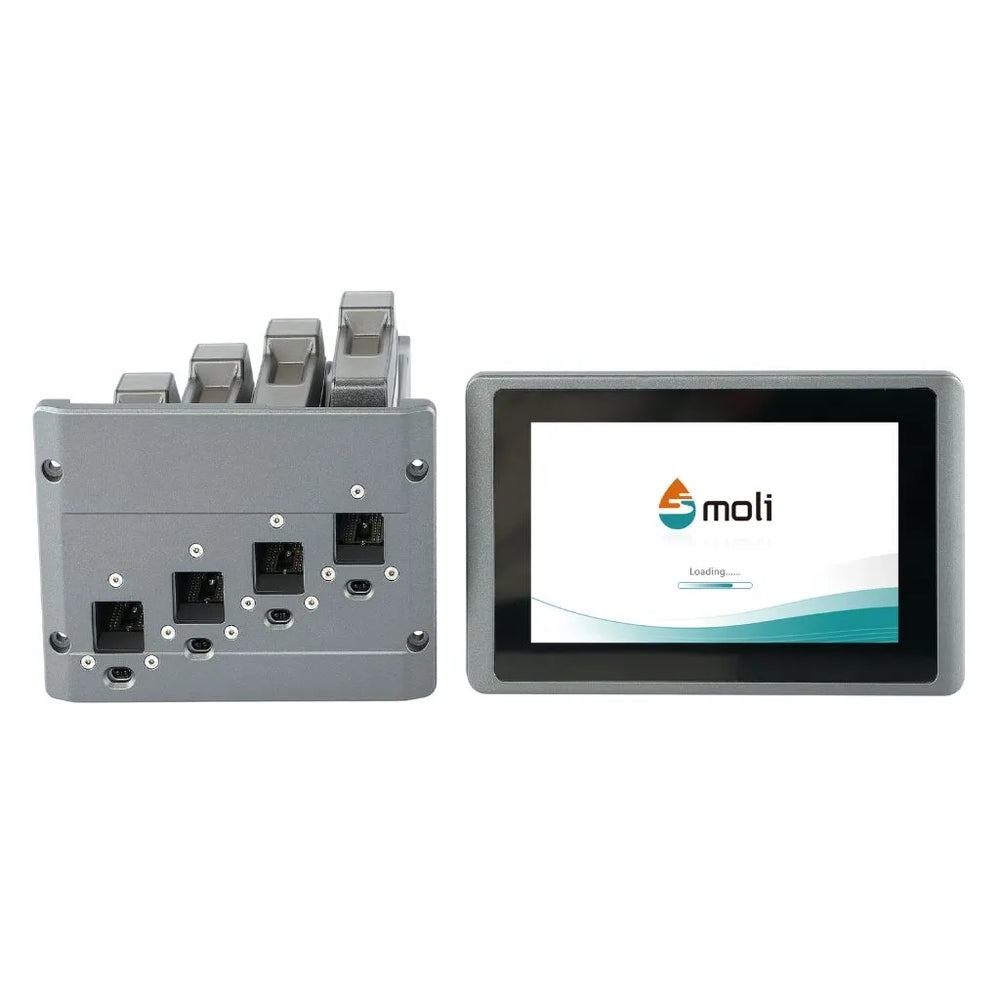
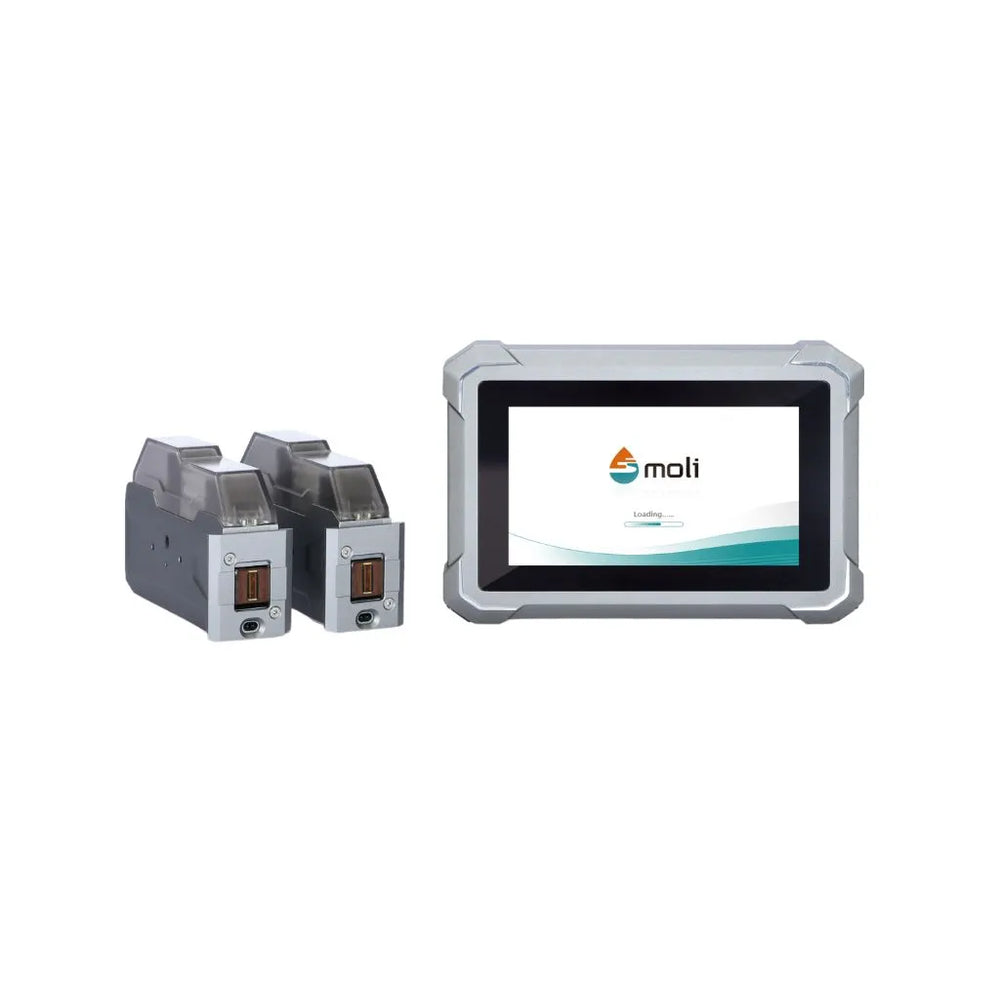
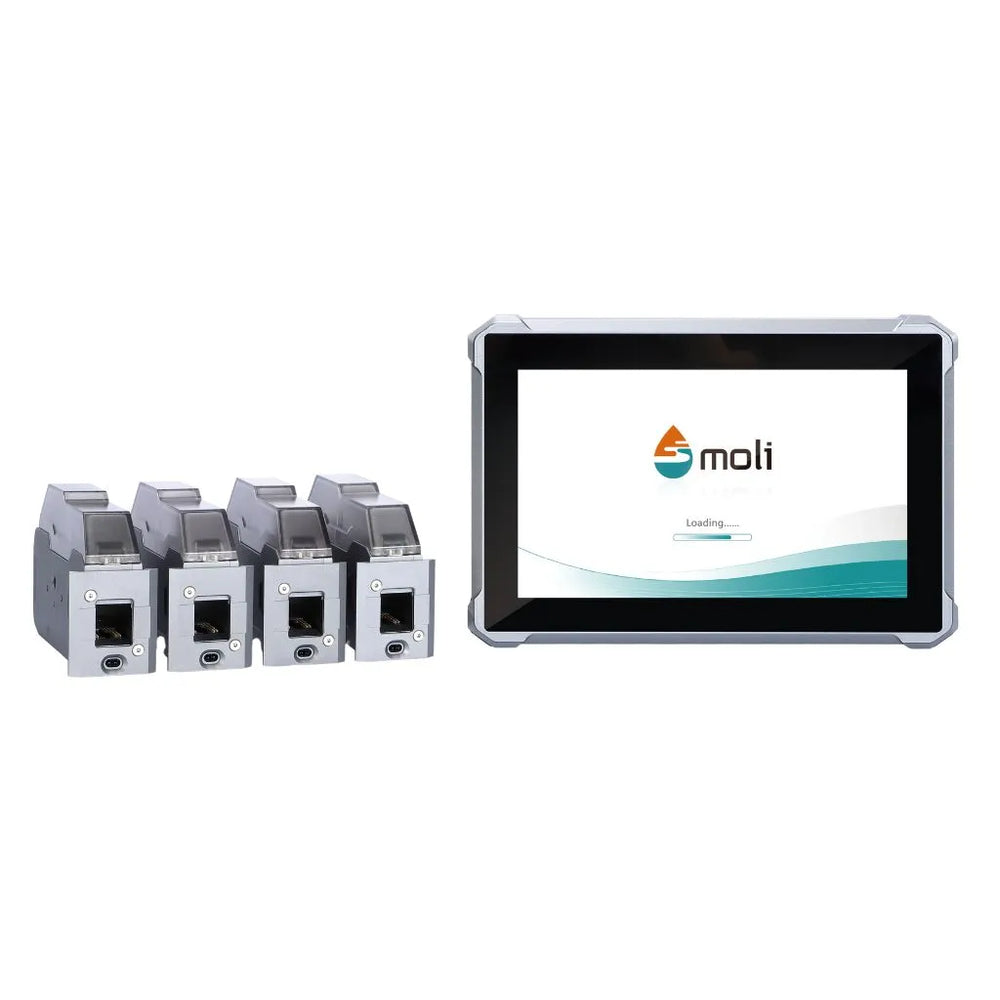
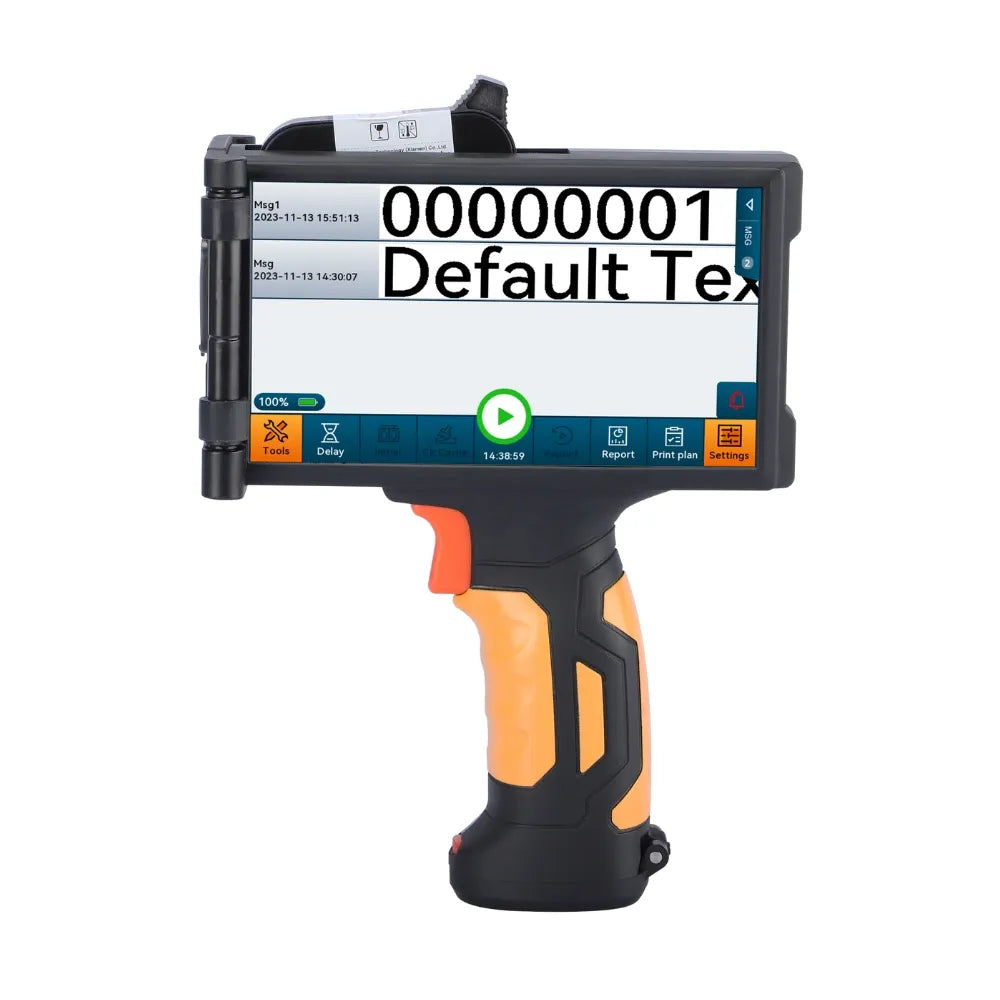
A TIJ printer is a thermal inkjet printer that uses heat to eject ink droplets for high-resolution coding and marking.
Thermal Inkjet (TIJ) Systems delivers high-quality, precise printing of variable data such as barcodes, lot numbers, and expiration dates on a wide range of packaging materials. Easy to integrate and maintain, TIJ systems offer reliable, non-contact coding with sharp, smudge-resistant prints ideal for fast production lines.
Products
-
Sold out
-
Sold out
-
Sold out
-
Sold out
-
Sold out
-
Sold out
-
Sold out
Thermal Inkjet Printers (TIJ Printers)
A Thermal Inkjet (TIJ) printer is a modern digital printing solution used for high-resolution coding and marking on a wide range of surfaces, including cartons, labels, plastics, and packaging materials. Also known as a TIJ printer, this technology uses heat to eject tiny droplets of ink onto the surface, creating sharp, precise, and fast-drying prints.
Thermal inkjet printers are widely used in industries such as food and beverage, pharmaceuticals, cosmetics, and manufacturing for printing barcodes, expiry dates, batch numbers, QR codes, and logos. Due to their compact design, low maintenance, and superior print quality, TIJ printers are becoming a preferred alternative to traditional ink-based coding systems.
What is a Thermal Inkjet Printer?
A thermal inkjet printer is an industrial coding device that uses controlled heat to propel ink droplets onto a substrate. Unlike continuous inkjet systems, TIJ printers operate using cartridge-based technology, making them cleaner, easier to maintain, and highly efficient.
The term TIJ (Thermal Inkjet) refers to the mechanism where a small resistor heats the ink inside the cartridge, creating a vapor bubble that forces a droplet of ink out of the nozzle and onto the surface.
Thermal inkjet printers are commonly used for:
- Printing expiry and manufacturing dates
- Adding batch and lot codes
- Printing barcodes and QR codes
- Branding and product identification
Because of their high resolution (up to 600 dpi), TIJ printers deliver exceptional clarity and precision, making them ideal for detailed printing applications.
How Thermal Inkjet Printing Works?
Thermal inkjet printing relies on a precise and controlled heating mechanism that ensures accurate ink placement and high-quality output.
Inside the print cartridge, tiny resistors rapidly heat the ink to form a vapor bubble. This bubble expands and forces a droplet of ink through the nozzle onto the printing surface. Once the droplet is ejected, the bubble collapses, and the chamber refills with ink for the next cycle.
This process happens thousands of times per second, enabling high-speed printing with consistent results.
The working process can be summarized as:
- Digital data is sent to the printer
- Ink inside the cartridge is heated rapidly
- A vapor bubble forms and pushes ink outward
- Ink droplets land precisely on the substrate
- The print dries quickly with minimal smudging
This technology ensures clean, contactless, and high-resolution printing, making it suitable for a wide range of industrial applications.
Applications of TIJ Printers
Thermal inkjet printers are highly versatile and used across multiple industries due to their adaptability and print quality.
In the food and beverage industry, TIJ printers are used to print expiry dates, lot numbers, and barcodes on cartons, bottles, and packaging materials. The fast-drying ink ensures compliance with labeling standards.
In the pharmaceutical sector, TIJ printers provide accurate and high-resolution printing for critical information such as batch numbers and regulatory codes, ensuring traceability and compliance.
The cosmetics and personal care industry benefits from TIJ printing for branding and coding on product packaging, where clarity and aesthetics are essential.
Additionally, TIJ printers are widely used in logistics and manufacturing for marking shipping boxes, labels, and industrial components.
Thermal Inkjet vs Other Coding Technologies
When compared to other coding technologies such as Continuous Inkjet (CIJ) and Thermal Transfer Overprinting (TTO), thermal inkjet printers offer unique advantages.
Thermal inkjet printers provide higher resolution printing (up to 600 dpi) compared to CIJ systems, making them ideal for detailed text and barcodes. They also eliminate the need for solvents, resulting in a cleaner and more user-friendly operation.
Compared to TTO printers, TIJ printers are more versatile when printing on rigid surfaces like cartons and labels, whereas TTO is better suited for flexible packaging.
CIJ printers are often preferred for very high-speed operations, but they require more maintenance and consumables. TIJ printers, on the other hand, are low-maintenance and easy to operate, making them ideal for businesses looking for efficiency and simplicity.
Benefits of Thermal Inkjet Printers
Thermal inkjet printers offer a range of advantages that make them a popular choice in modern industrial environments.
One of the biggest benefits is high-resolution printing, which ensures clear and readable codes, even for small fonts and complex barcodes.
The cartridge-based system eliminates the need for messy ink handling, reducing downtime and simplifying maintenance.
TIJ printers are also known for their compact and lightweight design, allowing easy integration into existing production lines.
Another key advantage is the fast-drying ink, which minimizes smudging and ensures durability on various surfaces.
Additionally, TIJ printers provide cost-effective operation, as they require minimal servicing and offer efficient ink usage.
Types of Thermal Inkjet Printers
Thermal inkjet printers come in different configurations depending on the application and production requirements.
Handheld TIJ printers are portable devices used for printing on large or irregular surfaces such as cartons and packaging boxes.
Inline TIJ printers are integrated into production lines for automated, high-speed printing applications.
High-resolution TIJ systems are designed for applications requiring detailed graphics, barcodes, and logos.
Choosing the right type depends on factors such as printing surface, production speed, and mobility requirements.
How to Choose the Right TIJ Printer?
Selecting the right thermal inkjet printer involves evaluating several key factors to ensure optimal performance.
The printing surface plays a crucial role, as different inks are designed for specific materials such as porous or non-porous substrates.
Production speed is another important consideration, as the printer must keep up with the workflow without compromising print quality.
Businesses should also consider print resolution, cartridge compatibility, and integration capabilities when choosing a TIJ printer.
Additionally, evaluating operating costs and maintenance requirements can help in selecting a cost-effective solution for long-term use.
Frequently Asked Questions
What is a TIJ printer?
What is thermal inkjet used for?
It is used for printing expiry dates, barcodes, batch numbers, and logos on packaging and products.
What surfaces can TIJ printers print on?
TIJ printers can print on cartons, labels, plastics, metals, and other packaging materials.
Is thermal inkjet better than continuous inkjet?
TIJ offers higher resolution and lower maintenance, while CIJ is better for extremely high-speed applications.
What industries use thermal inkjet printers?
Industries such as food, pharmaceuticals, cosmetics, logistics, and manufacturing widely use TIJ printers.